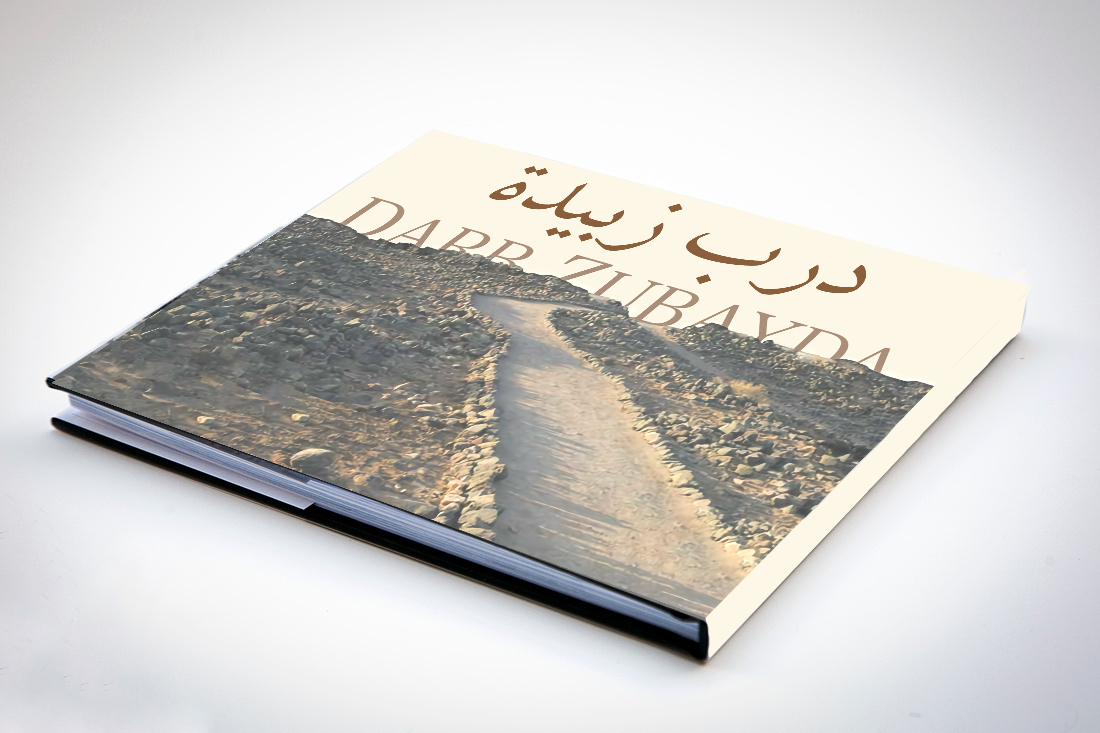


Darb Zubaida
A cinematic journey through faith, generosity, desert memory and one of the greatest pilgrimage routes in Islamic history.
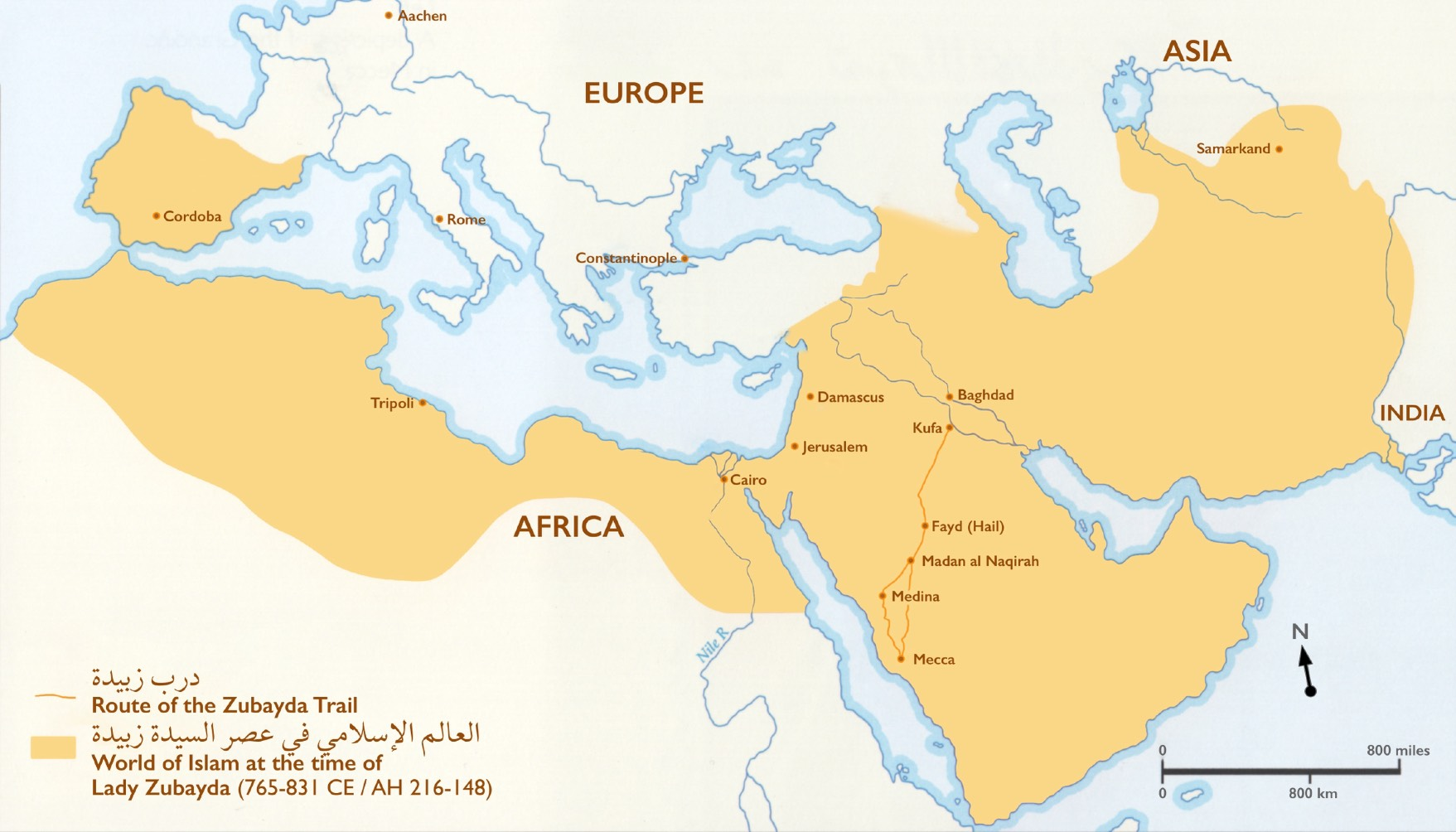
The Map of Darb Zubaida
From the centers of the Islamic world to the Arabian desert, Darb Zubaida was more than a road. It was a lifeline of water, shelter and pilgrimage.
The Story of Darb Zubaida
When in the history of Islam the center of power shifted from Damascus to Baghdad, also the main route of pilgrimage dramatically changed. Muslim believers from the new capital city and the Eastern countries of the empire now had to cross 1.400 kilometers of mostly barren land to reach Mecca. Their way led through the Nefud desert, one of the driest regions in the world.
From the beginning, royal and private benefactors sought to remedy the life-threatening hardships of the new route. One of them being Zubayda bint Ja`far ibn al-Mansur (765-831 CE/AH 148-216), also known as Umm Ja`far. Given Zubayda's extraordinary commitment to provide water and shelter for the pious travelers, posterity named the route after the compassionate Abbasid Lady, who became the wife of the famous caliph Hārūn ar-Rashīd.
Zubayda made at least five pilgrimages to Mecca, her first one in 790 CE/AH 173. Our story will recount the challenges that the Lady and her fellow travellers from the Eastern provinces faced en route, keeping it uncertain, whether they will make it to Mecca. The dramatic narrative will be combined with documentary research on the archaeological remains of the Zubayda trail, giving evidence to the equally sophisticated and charitable measures that were undertaken to support and protect generations of pilgrims.
The Documentary Project
The Pilgrim Route
The reason for travel might differ, yet pathways of pilgrimage have a similar impact on civilizational progress along their course as do traditional trade routes. In the case of Mecca, trade and pilgrimage routes even overlap. In pre-Islamic times, the city of the Quraysh tribe is both an important center of trade and a center of pilgrimage. With the advent of Islam, pilgrimage comes to the fore. Mecca, especially during the pilgrimage month of Dhū lḤijjah, develops into a destination for tens of thousands, then hundreds of thousands, and finally millions of pilgrims from all over the Islamic world. Mecca not only becomes a place of spiritual renewal and social unity, but also a dynamic hub for new ideas and advancements. Books of all disciplines are traded here and—with Arabic as the lingua franca—also understood throughout the Islamic world.
The Pilgrim Route and Its Dangers
Mecca and the Hajj become an impetus for civilizational progress in the world of Islam. What applies to the center of pilgrimage is also true for the pilgrim roads. The so-called ‘Arab route’ to Mecca begins in Kufa in what is now Iraq. With a length of 1,400 kilometers, it leads through wastelands and deserts. For many pilgrims, the perilous route becomes a path of no return. It is no coincidence that every pilgrim is required to settle his inheritance before setting out. Zubayda bint Jafar (died 10 July 831 CE / AH 21 Jumādā I 216), the cousin and later wife of the famous Abbasid caliph Hārūn ar-Rashīd, almost died too of thirst during her first Hajj.
Zubayda´s Vision and Legacy
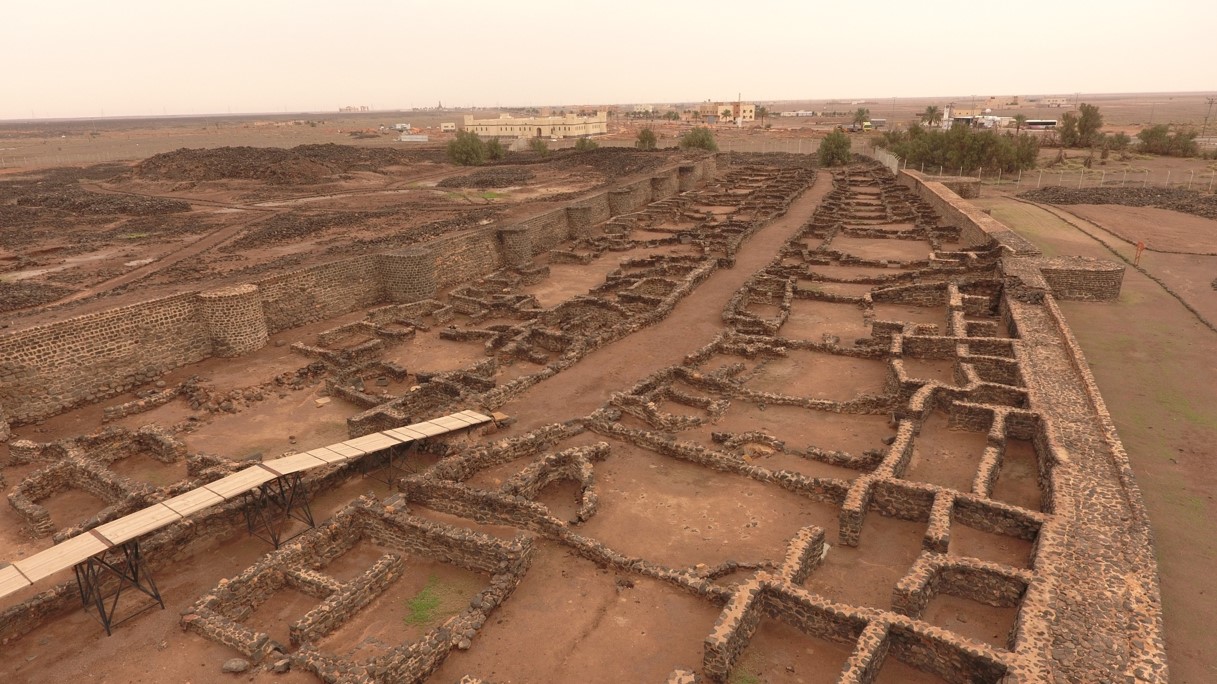
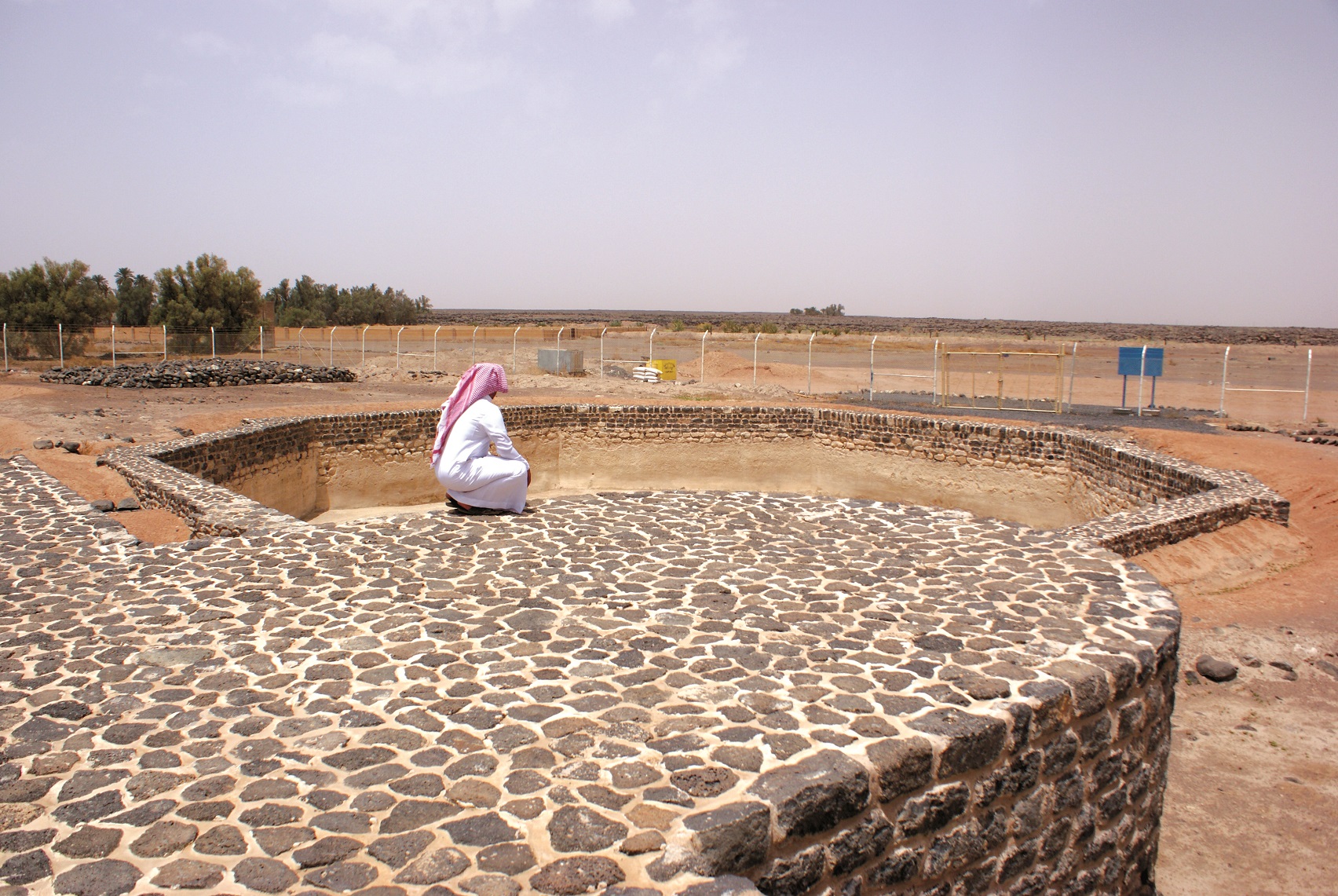
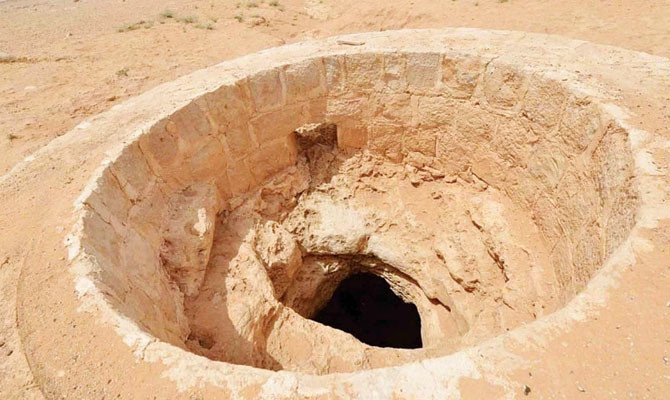
Zubayda swore to remedy the situation and, after her happy return, had 27 main and 27 secondary way stations built along the route. The elaborate buildings serve to protect and provide for the pilgrims. The water supply facilities commissioned by Zubayda have been preserved to this day—and some are still in use. The aqueducts, Cartesian canal systems, fountains, and water reservoirs applied the most advanced techniques and materials of their time. The stations of the Darb Zubayda are on the application list for recognition as a UNESCO World Heritage Site.

Dr Saad Alrashid and The Preservation of The Legacy
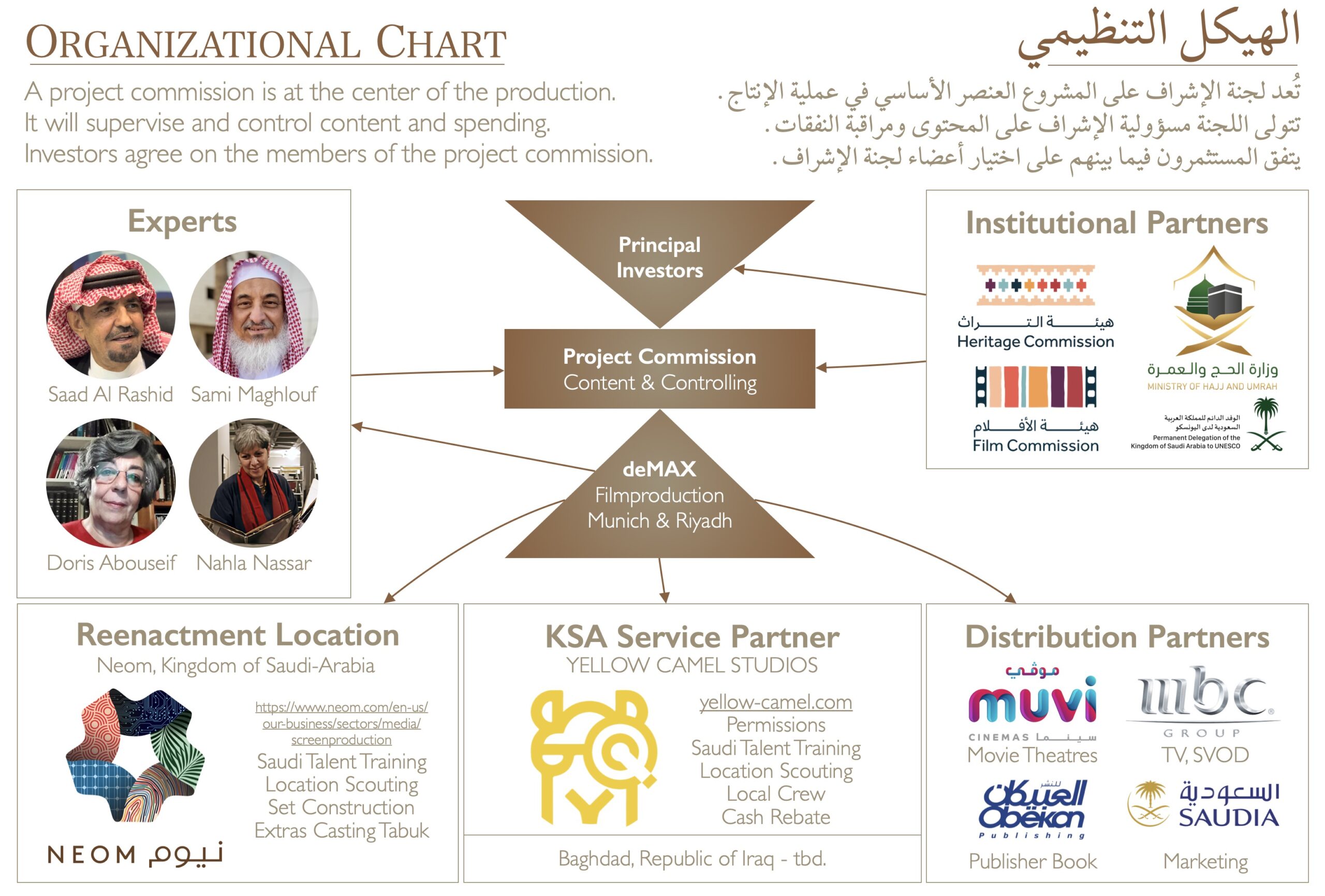
Dr. Saad Al Rashid, Chairman of the Archaeological Association of Saudi Arabia, has dedicated much of his professional career to the way stations for pilgrims on the Zubayda trail. Dr. Saad will lead our cinematic research on the traces of Zubayda bint Jafar and explore the historical significance of her generous gift to generations of pilgrims. THE ZUBAYDA TRAIL will combine statements of renowned scholars, scientific research, state-of-the-art 3D computer imagery with inspiring reenactments of the life-threatening hardships of pilgrimage in early Islam. Quotes from historical pilgrims’ reports give insights regarding the spiritual enrichment of their journey of faith. Recounting universal human values, THE ZUBAYDA TRAIL will generate interest and understanding among a global audience.
Organizational Chart
Pilgrim Numbers
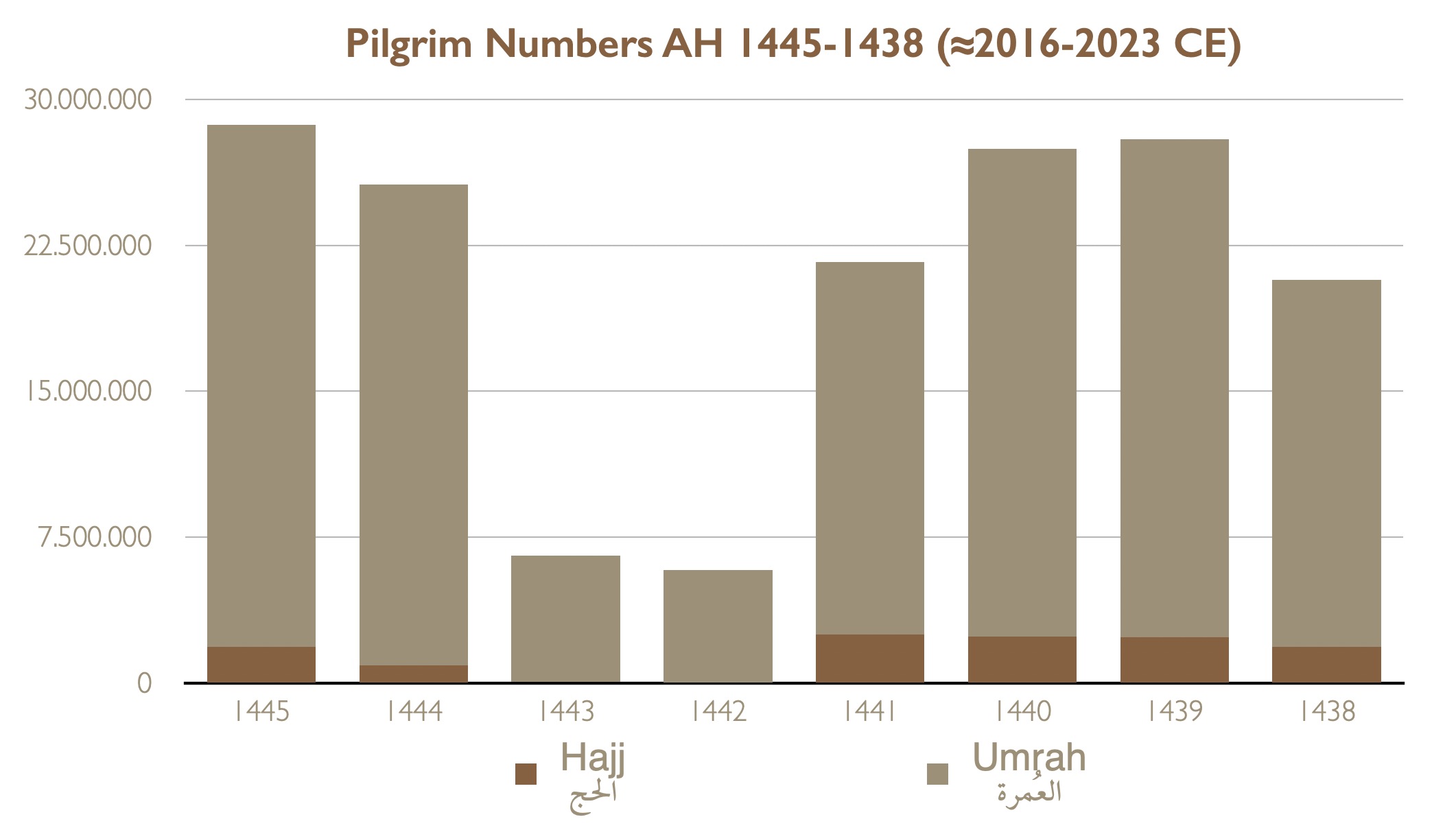
Meccah pilgrims will be addressed as the main target audience. Aside from the impact of the Covid19 pandemic, yearly pilgrim numbers average between 20 and 30 million. We will reach pilgrims at sales points in Meccah, Medina, Jeddah, Riyadh, Hail, and through the on-board entertainment system of SAUDIA Airlines.
Royal Diriyah Opera House
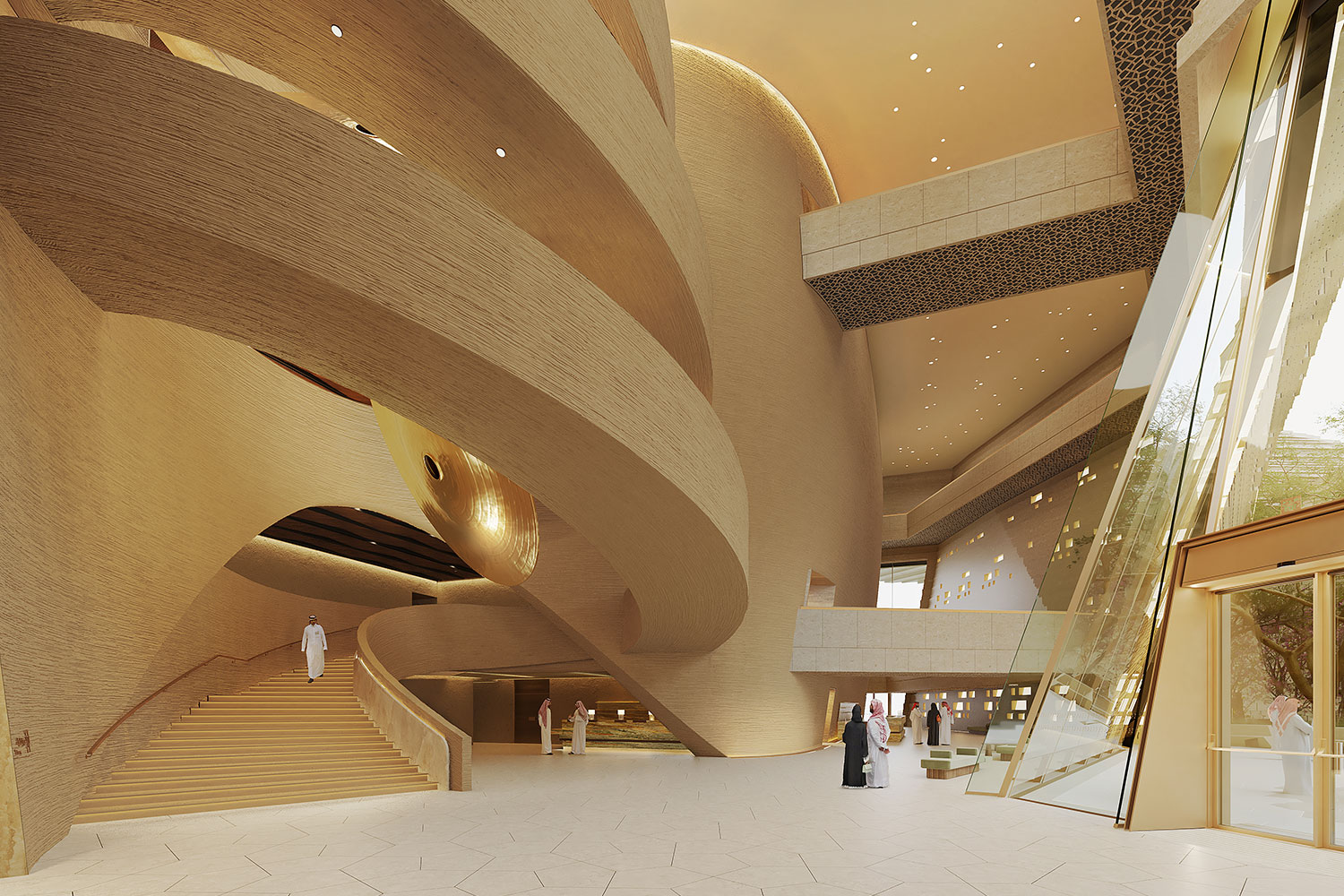
An Event Cinema Project will need an adequate location for its public launch. As it is expected to open in 2028, the Royal Diriyah Opera House could present the perfect surroundings for the DARB ZUBAYDA premiere.
The architectural jewel will among other auditoriums feature a 450-seat multi purpose theatre, which will be equipped with state-of-the-art cinema screening facilities.


Darb Zubaida Book
We envision the book as a coffee-table sized paperback photo book. It will combine historical quotes from pilgrims, who made their Hajj on foot, with inspiring and associative images produced during the scouting tours and the filming on location.